Executive Summary: A Fraud Ecosystem Spanning Streets to Cyberspace
Morocco occupies a unique position in the global fraud landscape—simultaneously a romance scam capital targeting lonely Europeans, home to Storm-0539 (one of the world’s most sophisticated gift card fraud operations), and ground zero for aggressive tourist exploitation in the legendary medinas of Marrakech and Fez. With 8,333 cybercrime cases handled in 2024 (a 40% increase), Morocco ranks 48th globally and 7th in Africa on the World Cybercrime Index, while Moroccan hackers are designated the most dangerous in North Africa.
The country’s fraud ecosystem reflects three distinct but interconnected spheres: romance scams exploiting tourists and online victims seeking love, Storm-0539’s enterprise-level gift card fraud stealing up to $100,000 daily from major retailers, and tourist scams so pervasive that veteran travelers describe Marrakech and Fez as “the most stressful places in Morocco.” Add to this the trafficking of Moroccan citizens to Southeast Asian scam compounds (21 rescued from Myanmar in 2024) and remittance fraud targeting diaspora communities, and Morocco emerges as a comprehensive fraud laboratory where traditional cons meet cutting-edge cybercrime.
Yet Morocco also demonstrates cybersecurity progress, achieving Tier 1 status in the Global Cybersecurity Index with a 97.5/100 score—the only Maghreb country in the elite category. This paradox—world-class cybersecurity infrastructure coexisting with rampant fraud—reflects deeper tensions between poverty and opportunity, traditional hospitality and predatory economics, regional leadership ambitions and persistent criminal challenges.
Key Statistics at a Glance:
- Cybercrime Cases 2024: 8,333 (40% increase from 2023)- Storm-0539 Daily Theft: Up to $100,000 from individual companies- Cyberattacks Blocked 2024: 644 by DGSSI- Global Cybercrime Ranking: 48th worldwide, 7th in Africa- Youth Unemployment: 22.5% (ages 15-35), driving fraud participation- Minimum Wage: $265/month in private sector- Moroccans Trafficked to Myanmar: 21+ rescued from scam compounds (2024)
I. Romance Scams: Morocco’s Love Fraud Industry
The Dual Model: Tourist-Targeted and Online Operations
Morocco has earned its reputation as a romance scam capital through two distinct but overlapping models. Unlike Nigerian romance scammers who operate purely online, Moroccan romance fraud often begins with in-person encounters with tourists, making it particularly insidious. Private investigators report “a significant rise” in Morocco-origin romance scams over the past five years, placing Morocco alongside Turkey and Egypt as “emerging risk zones.”
The Tourist-Targeted Romance Scam:
The operation begins innocuously in Marrakech, Agadir, Fez, or Tangier. A local man (typically working in tourism, hospitality, or retail) approaches a female tourist with practiced charm. The connection feels organic—met at a café, in the souk, at a hotel. Rapid declarations of love follow, intense romantic attention, talk of a shared future. The tourist returns home, and the real operation begins.
Phase 1: Intense Digital Courtship
- Daily WhatsApp messages, video calls, emotional intimacy- Scammer presents himself as different from “typical” Moroccans—educated, progressive, genuine- May introduce family members to create legitimacy- Discusses marriage and life together in Europe/America
Phase 2: Financial Exploitation Routes
The Marriage Visa Track: Victim pays for wedding expenses in Morocco, legal fees, visa applications, inflated mahr (dowry). Costs accumulate: $3,000-$10,000+. If visa granted, scammer leaves victim shortly after arriving in destination country, claiming “cultural differences” or “needing space.” True goal accomplished: European/American residence.
The Emergency Track: Before visa secured, emergencies arise. Family member hospitalized, business needs urgent investment, phone stolen (can’t communicate without new one), rent payment urgent to avoid eviction. Transfers via Western Union or bank wire. Money unrecoverable.
The Investment Track: Opportunity to invest in Moroccan shop, restaurant, or tourism venture. Promises of shared ownership and profits. Business never materializes or exists only on paper.
The Online-Only Model:
Some Moroccan scammers operate entirely digitally, creating fake profiles on dating apps, social media, LinkedIn. They use stolen photos, claim desirable professions, target victims in wealthy Western countries. Wymoo International investigators note internet cafés in Casablanca hosting multiple scammers managing 3-5 simultaneous relationships, collecting money from each through different stories.
The Blackmail Variant:
Particularly targeting women: scammer engages victim in sexual video calls or convinces her to share intimate photos, then threatens to share content with victim’s family, employer, or social media contacts unless payment made via Western Union. Investigators report this tactic has become more common as video calling normalizes.
The Economic and Cultural Context
With youth unemployment at 22.5% and private sector minimum wage at $265/month, many young Moroccan men view romance scams as legitimate pathways out of economic hardship. With extreme difficulty obtaining tourist visas to Europe, the US, or Australia (requiring bank statements, employment verification, property ownership), marrying a foreign partner represents one of few viable emigration routes.
Some scammers frame their actions as taking advantage of wealthy foreigners who can “afford” the losses. This mirrors Ghana’s “digital reparations” narrative, though without spiritual components. The cultural practice of mahr (bride payment) provides cover for financial requests that might otherwise raise red flags.
Global Scam Series 2025 - ScamWatchHQ ScamWatchHQScamWatchHQ

Victim Demographics and Warning Signs
Typical Victims:
- Women ages 35-65 (though men also targeted)- European nationalities: UK, Germany, France, Netherlands, Scandinavia- North American: USA and Canada- Often solo travelers or recently divorced/widowed- Financially stable with savings, property ownership, or good income
Critical Red Flags:
- Rapid declarations of love (days or weeks after meeting)- Marriage proposals within months- Intense, overwhelming romantic attention- Detailed questions about financial status- Implies financial struggles or asks for “small” help- Avoids transparency about personal life- Won’t show face consistently on video calls- Different religion but claims it doesn’t matter- Discourages friendships with other Moroccans- Expects very large mahr (thousands of dollars)- Can’t explain visa/marriage process clearly- “Bad time” to visit keeps arising
II. Storm-0539 (Atlas Lion): Morocco’s Elite Gift Card Cartel
The Most Sophisticated Financially Motivated Threat Actor
While most cybercrime groups hit and run, Storm-0539 remains embedded in victim systems for repeated cash-outs, demonstrating patience and sophistication typically associated with nation-state actors. Microsoft has tracked this Morocco-based group since late 2021, watching it evolve from point-of-sale malware to sophisticated cloud infrastructure exploitation.
Storm-0539 Profile:
- Location: Morocco (estimated fewer than a dozen core members)- Targets: Large U.S. retailers, luxury brands, fast-food chains with gift card programs- Method: Cloud system compromise, MFA bypass, gift card fraud- Daily Theft Capacity: Up to $100,000 from individual companies- Unique Tactic: Impersonate nonprofits to obtain free/discounted cloud services- Activity Spikes: 60% increase September-December 2023; 30% increase March-May 2024 (holiday targeting)
The Five-Phase Operation
Phase 1: Reconnaissance Storm-0539 conducts extensive research on target organizations, studying organizational structure, gift card issuance processes, employee access rights, authentication mechanisms, and work schedules. They use employee directories, contact lists, and LinkedIn to map the complete gift card workflow.
Phase 2: Initial Access via Smishing The group uses sophisticated SMS phishing (smishing) attacks targeting employees’ personal AND work mobile phones. Messages impersonate company IT helpdesk with urgent security warnings. Links lead to adversary-in-the-middle (AitM) phishing pages that capture both credentials AND session tokens, designed specifically to bypass multi-factor authentication.
Phase 3: Device Registration (The Nation-State Move) Here Storm-0539 demonstrates sophistication beyond typical cybercriminals: after capturing credentials, they register their own malicious devices to victim networks and configure these devices for secondary authentication prompts. This effectively bypasses MFA permanently—they can now access systems as if they ARE the legitimate employee. This technique mirrors nation-state espionage tradecraft.
Phase 4: Lateral Movement With access secured, Storm-0539 pivots toward accounts linked to gift card operations. They use legitimate internal company mailing lists to send phishing to other employees (adding authenticity), access employee email to learn organizational hierarchy, and locate virtual machines, VPN connections, Salesforce, Citrix, or other platforms managing gift card systems.
Phase 5: Gift Card Creation and Monetization Using compromised employee accounts with proper access, they create new gift cards with high balances—“virtually printing their own money,” as Microsoft describes it. They immediately redeem gift cards, sell them on dark web marketplaces at 70-80% of face value, or use money mules to cash out in physical locations. Critical: they remain in systems for repeated operations over weeks or months.
The Cloud Infrastructure Deception
Storm-0539 minimizes operational costs through criminal innovation. They present themselves as legitimate charitable organizations to cloud service providers, requesting free or heavily discounted services under nonprofit programs. They use these accounts to host attack infrastructure and create convincing phishing websites. When detected, they abandon and create new “nonprofit” accounts. They also exploit free trials, use student email addresses for educational discounts, and compromise recently registered WordPress domains. This keeps costs near zero while providing sophisticated infrastructure that appears legitimate.
FBI Warning and Holiday Targeting
In May 2024, the FBI issued a Private Industry Notification specifically about Storm-0539, highlighting their “sophisticated phishing kit” that bypasses multi-factor authentication. The FBI noted that in one case, a corporation detected Storm-0539’s fraudulent gift card activity and implemented changes to prevent new fraud. Storm-0539 continued smishing attacks, regained access, and pivoted tactics—targeting unredeemed gift cards already in the system, changing associated email addresses to addresses they control, and redeeming cards before legitimate recipients could use them.
Microsoft observed clear patterns: activity increases 60% during September-December holiday season and 30% during March-May Memorial Day preparation. During these periods, gift card sales spike, security teams are stretched thin, and fraudulent creation blends into legitimate high-volume issuance.
Why Gift Cards Are Perfect Targets
Gift cards provide ideal targets for cybercriminals: no customer attachment (unlike credit cards), limited scrutiny during high-volume holiday periods, easy monetization through dark web sales, difficult to trace once redeemed, high face values ($500-$1,000+), and multiple redemption options (online or physical stores).
Government Response Gap
Despite Morocco’s Tier 1 Global Cybersecurity Index status and sophisticated DGSSI (General Directorate of Information Systems Security) capabilities, Storm-0539 operates with apparent impunity. No arrests have been publicly announced, and the group continues operations. Challenges include: Storm-0539 targets foreign corporations (limited Moroccan law enforcement motivation), decentralized operations with strong operational security, difficult attribution despite years of tracking, complicated international cooperation requirements, and possible tacit tolerance as cybercriminals bring foreign currency into Morocco.
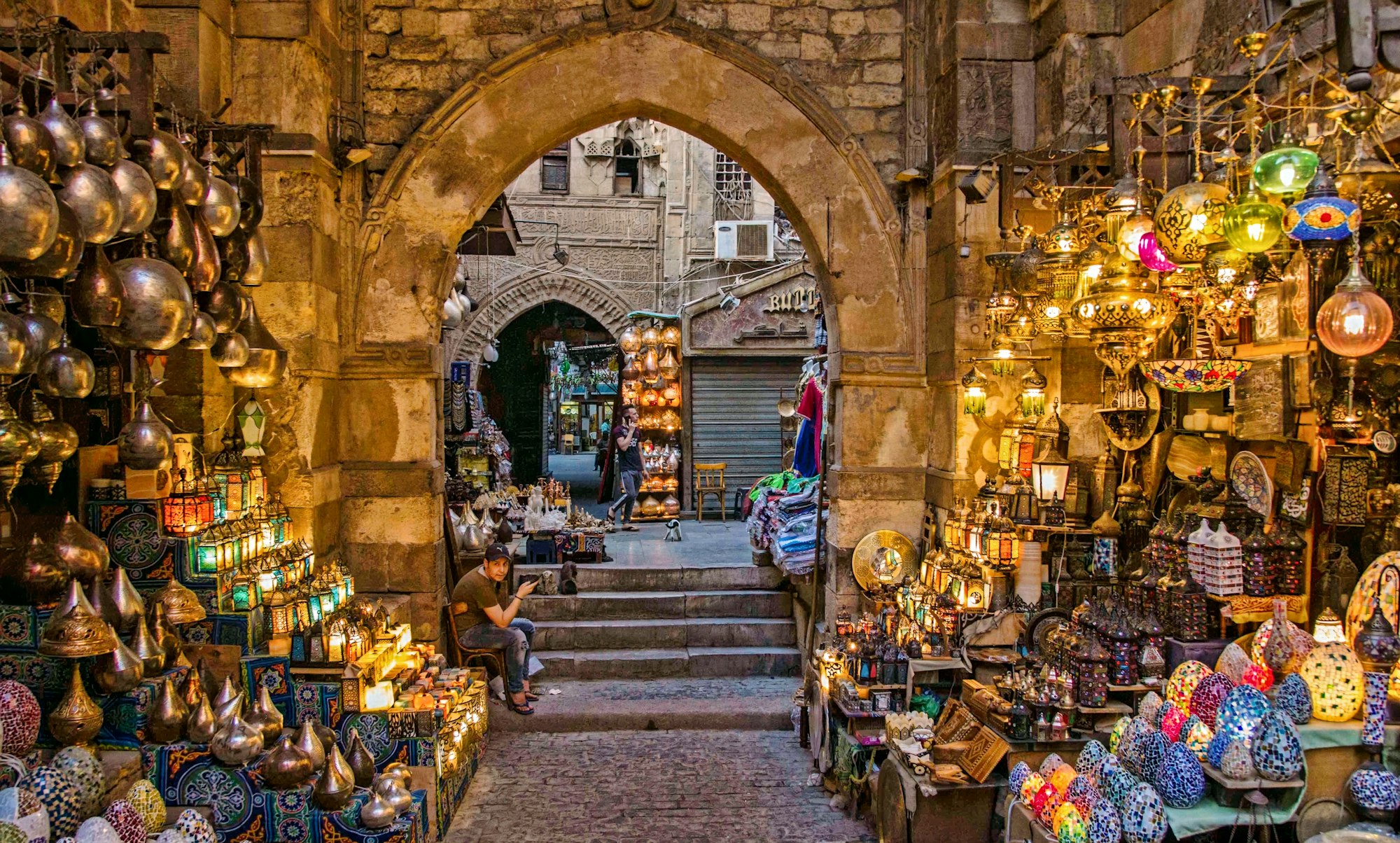
III. Tourist Scams: The Medinas of Marrakech and Fez
”The Most Stressful Places in Morocco”
Travelers consistently describe the medinas of Marrakech and Fez as among the most scam-intensive tourist destinations globally. While Morocco offers stunning landscapes and genuine hospitality, these two ancient cities have developed concentrated tourist fraud operations where thousands of merchants, fake guides, taxi drivers, and street hustlers compete for tourist dollars. With mass tourism bringing fresh victims daily, the incentive structure heavily rewards aggressive, deceptive tactics.
The Fake Guide Epidemic
The Core Scam: You’re walking with a backpack or looking at a map. A friendly local approaches: “Where are you going?” or “That way is closed” or “You’re going the wrong way.” They insist they’re NOT a guide (“I’m just helping, I’m going that way anyway”). This works because tourists have learned to refuse guides, so claiming to NOT be a guide disarms suspicion. Social pressure makes refusing help seem rude.
Once You Accept Help:
Scenario 1: Direct Payment Demand - Person leads you to destination, then demands 50-300 dirhams ($5-$30). Claims this was always understood. Won’t leave until you pay. May become aggressive.
Scenario 2: The Shop Detour - Person leads you through their “friend’s” shop. Inside: high-pressure sales, multiple salespeople blocking exits, offer mint tea (creates obligation), sort items by preference (signals buying intent). “Guide” gets kickback for bringing customer.
Scenario 3: The Fake Tannery - Person offers to show you “real” tannery, claims public entrance costs exorbitant fee, takes you through back entrance “for free.” Once inside, demands payment for “tour” or refuses to let you leave until you pay.
The Variations:
“It’s Closed”: Scammer tells you destination is closed (“El Badi Palace closes for lunch 12-3pm”—it doesn’t). Then offers to take you somewhere else (friend’s shop, or demands payment after you discover destination was open).
“You’re Going the Wrong Way”: Even when walking correctly toward destination, scammer shouts opposite directions to disorient you, positioning themselves as necessary guide.
“Let Me Show You Something Special”: “I know a spice market only locals know” / “There’s a secret viewpoint” / “My family has a workshop you should see.” All lead to shops with inflated prices.
The Henna Lady Ambush
One of the most aggressive scams: Woman grabs your hand or wrist without consent in Jemaa el-Fna square or medina. Before you can react, applies henna to your hand in messy, rushed design. Demands payment (100-300 dirhams, $10-$30). If you refuse, she’ll smear the messy henna all over your hand (potentially getting it on clothes), create a scene, or call over other henna ladies to intimidate.
The Danger: Many use “black henna” containing para-phenylenediamine (PPD), which can cause severe allergic reactions, chemical burns, blistering, and permanent scarring. Legitimate henna is reddish-brown; black henna is dangerous.
Taxi Scams: The Broken Meter
Taxi drivers in Marrakech are notorious even among locals. “My meter is broken” is the universal excuse to charge 5-10x the legal metered fare. Example: Marrakech airport to city center should cost 70-100 dirhams; drivers quote 300-500 dirhams. Some “forget” to activate meter, then charge whatever they want at destination. Others have accomplices who know exactly how much change the driver gave you and demand that amount as “tip.”
Restaurant Scams
The Menu Switch: Waiter shows menu with reasonable prices. You order. After eating, waiter brings different menu with prices 3-5x higher. Multiple staff surround you insisting on inflated prices. If you argue, they claim you’re mistaken about original prices.
The “Free” Appetizers: Common at Jemaa el-Fna square restaurants. You sit down, waiters immediately bring bread, olives, small dishes. You assume complimentary. Bill arrives with charges for each item, adding 50-100 dirhams.
Solution: Ask “Is this free?” for EVERYTHING that arrives unbidden. Request removal of items you don’t want.
The Counterfeit Goods Market
Fake Argan Oil: Morocco’s famous argan oil is extensively counterfeited. Real argan oil has distinct nutty smell and costs significant money. Fake oil is sunflower or other cheap oil with added scent. Sold in sealed containers so you can’t smell before buying.
Fake Saffron: One of world’s most expensive spices, extensively counterfeited. Real saffron has intense, distinctive aroma. Never buy in sealed container—must smell before purchasing.
Fake Leather and Carpets: “Genuine Moroccan leather” often synthetic. “Hand-knotted” carpets are machine-made. “Antique” Berber rugs are brand new with artificial aging.
The Pickpocketing Crisis
Crowded areas—Jemaa el-Fna square, narrow Fez alleys, souks, bus stations—are pickpocketing hotspots. Tactics include distraction (one person bumps you while accomplice steals), slashing (razor cuts open bag/pocket), and grab-and-run (snatch phone/wallet and disappear into crowd). High-value targets: wallets in back pockets, phones in hand, passports in bags, expensive jewelry.
Protection Strategies for Tourists
The Golden Rules:
- Never accept unsolicited help - Firmly say “La shukran” (No thank you) and keep walking2. If told something is closed, verify yourself - It’s not closed3. If told you’re going wrong way, ignore - Trust your map4. Nothing is free—everything has a price - Ask price beforehand5. Don’t follow anyone anywhere - No exceptions
Specific Tactics:
- Download offline maps before arrival (Google Maps, Maps.me)- Ask shopkeepers for directions (they won’t abandon their shop)- Insist on taxi meter: say “compteur” before entering- Keep passport and excess cash in hotel safe- Use anti-theft bags with locking zippers- Don’t make eye contact with aggressive vendors- Walk with confidence even if lost- Give henna ladies wide berth—hands in pockets when passing- Never photograph performers or animals (encourages abuse)
IV. Call Center Operations and Human Trafficking
Morocco’s Dual Role: Perpetrator and Victim
Morocco occupies a unique position in global call center fraud: Moroccan nationals both operate domestic scam call centers AND are themselves trafficked to Southeast Asian scam compounds.
Domestic Scam Operations
Social Security Fund Impersonation (Late 2024): Scammers call claiming to represent Morocco’s National Social Security Fund (CNSS), informing victims they’re eligible for 2,500 dirhams ($250) financial support payment. They request personal information: banking details, birth dates, ID numbers. Claim payment “authorized by the king” to add legitimacy. Create urgency: “Must verify information today to receive payment.”
September 2023 Arrests: Moroccan authorities detained 9 individuals aged 21-38 in Guersif and Nador. Suspects posed as telecom company members, falsely promised victims prizes to extract banking information, then used information to buy phone recharge cards (easily resold).
Moroccans Trafficked to Myanmar Scam Compounds
In a tragic irony, multiple groups of Moroccan nationals have been trafficked to Southeast Asian scam compounds:
June-July 2024: Mass Liberation Operations
- Initial situation: 21 Moroccans trapped in Myanmar call center scam ring in Karen State- June 2024: Two Moroccans liberated after families paid $6,000 liberation fee per person; Exodus Road Foundation contacted for help with remaining victims- July 4, 2024: Six additional Moroccans released- July 5, 2024: Twelve more Moroccans freed through Royal Thai Army and Moroccan Embassy joint operation- Final tally: Seven released after families paid ransoms; two chose to remain with gang (possibly under duress); twelve rescued through diplomatic channels
The Trafficking Process:
- Recruitment: Moroccans offered lucrative overseas jobs in Thailand ($1,000-2,000/month, far exceeding Moroccan wages). Jobs advertised on social media, job platforms, WhatsApp groups.2. Transportation: Victims traveled to Thailand legally, met by handlers in Bangkok, then transported across border to Myanmar’s Karen State border towns (Myawaddy, KK Park compounds).3. Captivity: Passports confiscated immediately. Confined to compound with barbed wire, guards, restricted movement. Forced to work in call center scam operations targeting romance scams, investment fraud, cryptocurrency scams.4. Abuse: Physical violence for refusing to participate. Beatings for not meeting scam quotas. Sexual exploitation in some cases. Torture to force compliance. Starvation and sleep deprivation.5. Ransom: Families in Morocco contacted and demanded $6,000-10,000 per person for release. Some families unable to afford ransom. Victims held for months.
INTERPOL General Assembly in Marrakech (November 2024)
The global crisis reached Morocco’s doorstep when INTERPOL held its General Assembly in Marrakech and adopted a resolution addressing “transnational scam centres”—criminal hubs linked to large-scale fraud, human trafficking, and abuse. Victims from 60+ countries have been trafficked to scam centers worldwide, expanding beyond Southeast Asia to Middle East, Eastern Europe, and Africa. In 2024, INTERPOL’s operation across 116 countries led to 2,500+ arrests.
V. Remittance Fraud and Immigration Scams
Targeting Diaspora Communities and Migration Seekers
Morocco maintains substantial diaspora communities in Europe (approximately 5 million Moroccans living abroad), particularly France, Spain, Belgium, Netherlands, and Italy. These communities send billions in remittances annually, creating fraud opportunities.
Immigration and Work Visa Scams
February 2025 Case (Ouarzazate): Moroccan police arrested two suspected fraudsters who promised six victims pathway to Europe through fake work contracts. Victims paid large sums in advance. Contracts were completely fraudulent. Victims discovered scam when visa applications rejected. Seized evidence included passport, fake IDs, academic diploma, and money transfer receipts.
Tangier 2024 Case: Gang of ten fraudsters busted for duping migrants into paying large sums for fake work contracts to Germany. Victims arrived at embassies for visa appointments with fake documents, were turned away with no money, and sometimes blacklisted from future travel.
The Pattern: Young Moroccans dreaming of work in Germany, France, UK, or US are charged €3,000-7,000 for “guaranteed” work visas. Scammers provide fake employment letters from European/American companies. Victims apply for visa and get rejected. Money unrecoverable. Some blacklisted permanently from legitimate future applications.
U.S. Embassy Warning: U.S. Embassy in Morocco issues regular warnings about scammers pretending to be linked to American government, offering fake jobs at U.S. companies or military bases, requesting payment for “processing fees” or “visa assistance.” Embassy statement: “Always verify job offer is real before paying a penny.” Legitimate U.S. government jobs never require upfront payment.
Family Emergency Scams
Exploiting emotional bonds and geographic distance:
The Sick Relative: Scammer contacts diaspora Moroccan claiming relative is ill, needs money immediately for medical treatment. Creates urgency: “Surgery needed today” or “Hospital won’t release them.” Requests money via Western Union or MoneyGram. Victim sends money before verifying with family.
The Arrested Family Member: Claim that relative has been arrested, needs money for bail or fines. Often targets elderly diaspora less technologically connected. Scammer may know enough family details to seem legitimate.
Fake Investment Opportunities
Real Estate Fraud: Diaspora Moroccans offered “exclusive” real estate opportunities in Morocco. Property doesn’t exist or is not for sale. Deposit requested via remittance service. Scammer disappears after receiving payment. Particularly targets older diaspora planning retirement return to Morocco.
Business Venture Scams: Scammer claims to have profitable business in Morocco, needs partner investment to expand, promises 20-50% annual returns. Pressures for quick decision. Money sent via Western Union or bank transfer. Business doesn’t exist or is failing.
Protection Against Remittance Fraud
For Senders:
- Use only licensed providers (Western Union, MoneyGram, Ria, banks)2. Download apps only from official app stores3. Verify recipient information via phone or video call (not just text)4. Never invest in opportunities presented through social media5. Be suspicious of urgent requests without time to verify6. For immigration assistance, use only lawyers registered with Morocco Bar Association
For Migration Seekers:
- Never pay upfront fees for job placement2. Research company independently online3. Contact destination country’s embassy in Morocco to verify4. Legitimate employers pay relocation costs, not request them5. Be skeptical of salaries that seem unrealistically high6. If offer involves Southeast Asia, research country’s labor trafficking record carefully
VI. Government Response: Progress and Challenges
Morocco’s Cybersecurity Achievements
Despite rampant fraud, Morocco has made impressive cybersecurity progress:
Tier 1 Global Cybersecurity Index Status:
- Score: 97.5/100 (2024)- Position: Only Maghreb country in Tier 1 (45 countries worldwide)- Recognition: ITU acknowledgment of comprehensive legal framework, human capital development, incident response capabilities
Operational Results 2024:
- 644 Cyberattacks Blocked by DGSSI- 8,333 Cybercrime Cases Handled (40% increase from 2023)- 134 Direct Interventions by DGSSI- 64 Critical Platforms Reinforced- 16 Vulnerability Alerts Issued- 12,614 Reports Received through E-Blagh platform (launched June 2024)- 95% Resolution Rate achieved across 755,541 total criminal cases
Institutional Framework
DGSSI (General Directorate of Information Systems Security): Established 2011, attached to National Defence Administration. Designated National Cybersecurity Authority with responsibilities including:
- Monitoring, detection, alert systems for State information systems- Coordination of cyber event responses- Operating MaCERT (Moroccan Computer Emergency Response Team)- Proposing cybersecurity laws and regulations- Conducting research in cryptography, intrusion detection
Legal Framework
Law 05-20 on Cybersecurity: Comprehensive framework establishing DGSSI as National Authority, classification of information systems (Class A-D based on severity), mandatory security measures for critical infrastructure, incident reporting requirements, and penalties for non-compliance.
Budapest Convention on Cybercrime: Morocco ratified 2018, enhancing regional legislation position, framework for combating cybercrime, and international cooperation mechanisms.
CyberSud Cooperation Project: Morocco is founding member alongside EU, Tunisia, Algeria for legislative consolidation, police collaboration, specialized prosecution, and international cooperation.
International Partnerships
France: Collaboration with ANSSI since 2013 on incident response optimization United States: Coordination on specific cases (teenage cybercriminal apprehended January 2024), FBI collaboration on Storm-0539 tracking United Arab Emirates: MoU signed for enhanced cybersecurity cooperation INTERPOL: Active participation, November 2024 General Assembly in Marrakech adopted resolution on transnational scam centers
Training Initiatives
Digital Morocco 2025 Strategy:
- Target: 100,000 cybersecurity certifications by end of 2025- Focus: Critical infrastructure protection, incident response, threat analysis- November 2024: National Cybersecurity Innovation Center launched (partnership with Mohammed V University)- Training for public officials in cybersecurity awareness- Public awareness campaigns on cyber risks
Persistent Challenges
Despite impressive frameworks, Morocco faces enforcement gaps:
- Storm-0539 Operates with Impunity: No arrests announced despite years of tracking2. Romance Scammers Rarely Prosecuted: Crimes against foreign victims deprioritized3. Tourist Scams Continue: Unlicensed guides operate openly despite illegality4. Economic Drivers: Youth unemployment (22.5%) and minimum wage ($265/month) push people toward fraud5. International Complexity: Most fraud targets foreign victims, complicating jurisdiction and motivation6. Resource Constraints: DGSSI focused on critical infrastructure, limited capacity for consumer fraud7. Cultural Factors: Some fraud viewed as acceptable wealth redistribution
VII. Conclusion: Morocco at the Crossroads
Morocco’s fraud landscape in 2025 reveals a country at a critical juncture. World-class cybersecurity infrastructure (Tier 1 Global Cybersecurity Index) coexists with rampant romance scams, tourist exploitation, and sophisticated cybercrime operations like Storm-0539. This paradox reflects deeper tensions: between poverty and opportunity, between traditional hospitality and predatory economics, between regional leadership ambitions and persistent criminal challenges.
The statistics tell the story: 8,333 cybercrime cases in 2024 (40% increase), Storm-0539 stealing up to $100,000 daily, 21 Moroccans trafficked to Myanmar scam compounds, youth unemployment at 22.5%, and minimum wage at $265/month creating conditions where fraud appears rational. Yet Morocco also blocked 644 cyberattacks, achieved 95% criminal case resolution rates, and established sophisticated international partnerships.
For Potential Victims:
Romance Scam Targets: Verify before investing emotionally or financially. Legitimate partners will accept background checks. Red flags: rapid love declarations, marriage pressure, financial requests, avoidance of video calls, unexplained “emergencies.”
Travelers to Marrakech/Fez: Prepare mentally for aggressive scam attempts. Never accept unsolicited help. Insist on taxi meters. Keep valuables secured. Trust your map over locals telling you you’re lost. Research normal prices. The Golden Rule: If told something is closed or you’re going the wrong way, ignore and verify yourself.
Businesses with Gift Cards: Treat gift card portals as high-value targets. Implement phishing-resistant MFA. Monitor for device registrations. Baseline normal activity. Train employees on smishing. Deploy conditional access policies blocking unexpected geographic logins.
Job Seekers: Never pay upfront fees for overseas employment. Verify companies independently. Contact destination country embassy. Be especially cautious with Southeast Asia opportunities. If it seems too good to be true (unrealistic salaries), it probably is.
Remittance Senders: Use only licensed providers. Verify recipients via phone/video. Be skeptical of urgent investment opportunities or family emergencies. For immigration assistance, use only registered lawyers.
The Path Forward:
Morocco’s fraud problems are serious but not insurmountable. Short-term priorities include enhanced law enforcement against tourist scams, crack down on unlicensed guides, expanded tourist protection measures, and aggressive prosecution of cybercriminals. Medium-term goals require economic opportunity creation (reducing youth unemployment), regulatory strengthening (consumer protection enforcement), and formalized international cooperation (extradition agreements, joint operations). Long-term vision demands systemic economic reform (living wages, reduced inequality), tourism industry transformation (sustainable, ethical tourism with enforced standards), and continued cybersecurity leadership.
The country has demonstrated capacity for progress through Tier 1 cybersecurity status, strong international partnerships, improving legal frameworks, and genuine hospitality traditions to build upon. Whether these foundations can support comprehensive fraud reduction while building legitimate economic alternatives will determine Morocco’s trajectory: from fraud hotspot to digital economy leader, from tourist exploitation to sustainable hospitality, from cybercrime export to cybersecurity partnership.
Morocco’s next chapter depends on addressing root causes (economic desperation) while strengthening enforcement (prosecuting fraud), balancing welcoming visitors with protecting them, and creating legitimate pathways to prosperity that don’t require exploiting tourists, foreign victims, or participating in international cybercrime networks.
For now, the medinas remain challenging. Storm-0539 continues operations. Romance scammers exploit lonely tourists. But with awareness, Morocco’s genuine beauty, rich culture, and authentic hospitality can be experienced safely—while pressure builds for systemic changes that address both symptoms and causes of Morocco’s fraud ecosystem.
Global Scam Series 2025 - ScamWatchHQ ScamWatchHQScamWatchHQ
Resources and Emergency Contacts
Moroccan Authorities:
- DGSSI: https://www.dgssi.gov.ma (National Cybersecurity Authority)- Police Emergency: 19- Tourist Police: Available in medinas and tourist areas- E-Blagh Platform: Online crime reporting (launched June 2024)
International Reporting:
- U.S. Citizens: FBI IC3 (ic3.gov), FTC (reportfraud.ftc.gov)- U.K. Citizens: Action Fraud (actionfraud.police.uk)- Canadian Citizens: Canadian Anti-Fraud Centre (antifraudcentre.ca)
Private Investigation:
- Wymoo International: Romance scam verification, Morocco background checks (wymoo.com)
Travel Resources:
- Official Morocco Tourism: visitmorocco.com- U.S. State Department: Morocco Travel Advisory (travel.state.gov)
Victim Support:
- INTERPOL: International crime reporting (interpol.int)- Exodus Road Foundation: Human trafficking rescue operations
Emergency Numbers in Morocco:
- Police: 19- Medical: 15- Fire: 15
Disclaimer: This article is for educational purposes. While researched from credible sources, fraud tactics evolve rapidly. Verify current conditions before travel or financial decisions. ScamWatchHQ is not responsible for outcomes from use of this information. Consult appropriate authorities, legal counsel, or professional investigators for specific situations. If victimized by Morocco-origin fraud, report to appropriate authorities and seek professional assistance.