Romance Scams in 2026: The Complete Guide to Protecting Your Heart and Your Wallet
Love is blind. Scammers know this—and they’re using AI, deepfakes, and industrial-scale fraud operations to exploit it. Romance scams have evolved into a billion-dollar criminal enterprise that destroys lives every single day.
The Staggering Scale of Romance Fraud
Romance scams are now the most financially devastating form of consumer fraud in America:
- $1.3 billion lost to romance scams in 2024 (FTC)
- 64,000+ reports filed—and experts estimate only 10-15% of victims come forward
- Average loss: $46,000 per victim
- Highest losses among ages 55-64: averaging $90,000+ per victim
But the true cost isn’t just financial. Victims describe feelings of shame, betrayal, and devastating psychological trauma. Some have taken their own lives. This isn’t just fraud—it’s emotional devastation weaponized for profit.
How Modern Romance Scams Work
The Classic Pattern: Love, Trust, Crisis, Money
Every romance scam follows a predictable playbook:
1. The Hook (Weeks 1-4) The scammer creates an attractive persona—often using stolen photos of models, military personnel, or attractive everyday people. They initiate contact on dating apps, social media, or even Words With Friends.
The initial conversation is warm, attentive, and makes the victim feel special. They remember details. They check in throughout the day. They’re “not like other people.”
2. The Build (Weeks 4-12) Communication intensifies. They text constantly. They may send voice messages (often AI-generated or from accomplices). They talk about the future—marriage, moving in together, starting a business.
They always have a reason they can’t meet in person:
- Working on an oil rig
- Deployed overseas (military)
- Working as a doctor in a conflict zone
- Stuck at a remote construction project
- Traveling for business
3. The Crisis (Week 8-16) Suddenly, something goes wrong:
- Wallet stolen, cards frozen
- Medical emergency
- Legal trouble requiring bail or lawyer fees
- Investment opportunity “we can do together”
- Stuck at customs and needs money to release a package
The requests start small—$500, $1,000. Once you pay, they escalate. Victims have lost $50,000, $200,000, even $1 million+.
4. The Spiral Once money flows, the scammer doubles down. Every problem has a new complication. Every solution requires more money. Victims often drain savings, take out loans, and even embezzle from employers.
The scammer creates urgency: “I’m stuck here.” “They’re threatening me.” “I just need this one last payment and I’ll be there.”
There is no “last payment.”
The 2026 Evolution: AI Changes Everything
Romance scams in 2026 are more sophisticated than ever:
AI-Generated Photos
Scammers now use AI image generators to create entirely fictional people. No stolen photos means no reverse image search matches. The “person” you’re talking to may not exist at all.
How to spot it: Look for subtle AI tells—asymmetric earrings, melted fingers, inconsistent backgrounds, text that doesn’t quite make sense. Request specific photos (“hold up today’s newspaper with your hand showing”).
Deepfake Video Calls
Real-time deepfake technology allows scammers to impersonate anyone during video calls. They can even appear as the “person” in the stolen photos, moving and speaking live.
How to spot it: Ask them to turn sideways, move quickly, or hold their hand in front of their face. Current deepfakes struggle with rapid movement and occlusion.
AI Conversation Partners
Large language models can generate warm, personalized messages at scale. Some scam operations use AI to maintain dozens of relationships simultaneously, with humans stepping in only for critical moments.
How to spot it: Ask unexpected questions. Bring up something specific from earlier conversations and see if they remember. Test their knowledge about things they claimed to know.
Voice Cloning
AI voice cloning can generate realistic audio from just a few seconds of sample audio. Scammers use this to leave “personal” voice messages that sound warm and genuine.
How to spot it: Ask for a live phone call and have a real conversation. Ask unexpected questions that require real-time thinking.
Pig Butchering: The Hybrid Romance-Investment Scam
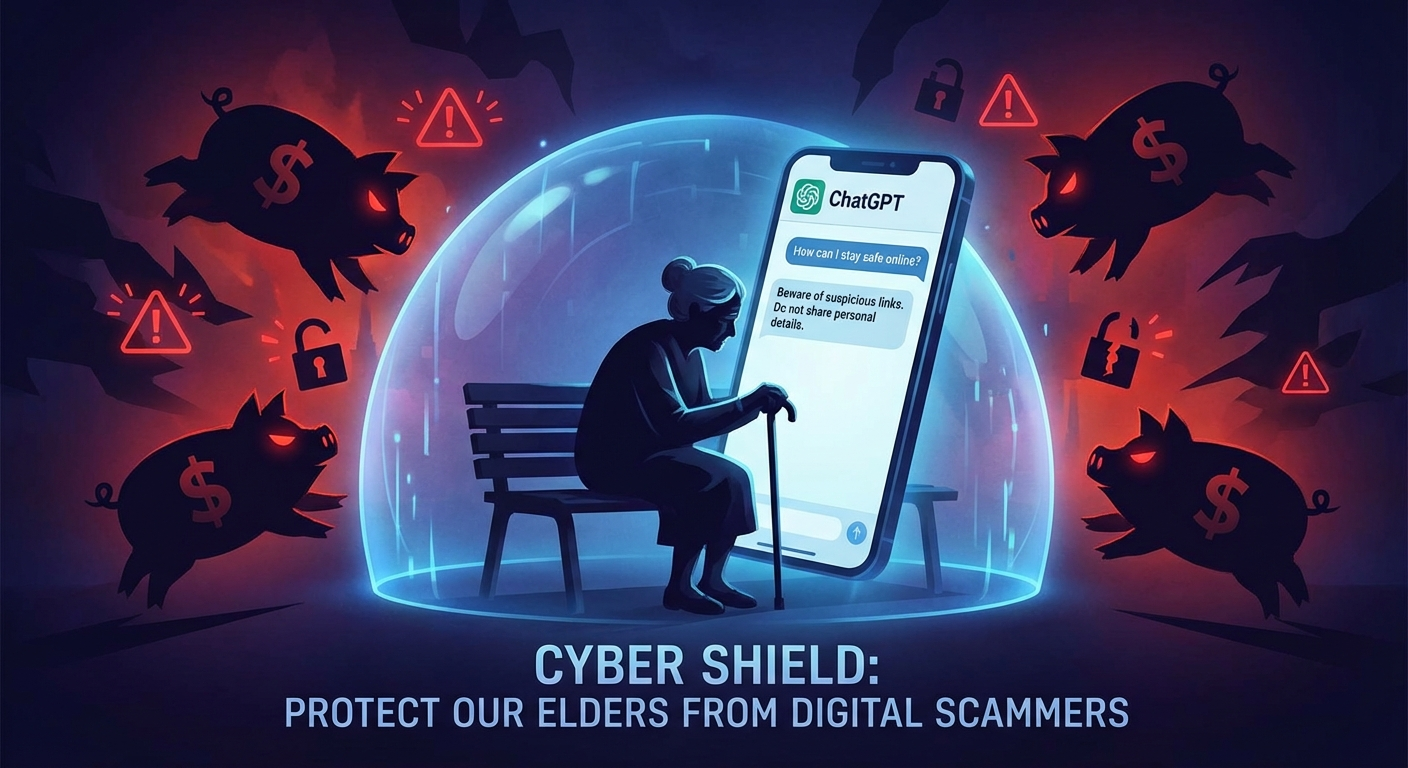
The most devastating scam variant of 2024-2026 is “pig butchering” (from the Chinese term 杀猪盘, meaning to fatten a pig before slaughter).
It combines romance scam tactics with cryptocurrency investment fraud:
- Scammer builds romantic relationship
- Introduces “amazing investment opportunity” (usually crypto)
- Victim “invests” on a fake trading platform
- Platform shows incredible gains (all fabricated)
- When victim tries to withdraw, they’re told they need to pay “taxes” or “fees”
- The platform, the gains, and the relationship—all fake
Pig butchering losses routinely reach six or seven figures. The operations are run from massive fraud compounds in Southeast Asia, staffed largely by trafficking victims forced to scam.
Red Flags: Warning Signs of Romance Scams
Profile Red Flags:
- Photos that look too professional or perfect
- Very new social media accounts
- Few friends/connections
- Job that explains being overseas (oil rig, military, doctor abroad)
- Widowed or divorced with children
Behavioral Red Flags:
- Intense connection very quickly (“love bombing”)
- Always has an excuse not to video chat or meet
- Quickly wants to move off the dating app to WhatsApp/Telegram
- Asks a lot of personal questions (building your psychological profile)
- Stories that don’t quite add up
- Time zone inconsistencies
Financial Red Flags:
- ANY request for money, no matter how small
- “Investment opportunities” they want to share with you
- Cryptocurrency talk from someone you’ve never met
- Emergency that requires immediate wire transfer
- Requests for gift cards (a MAJOR red flag)
- Asking for help receiving or moving money
What To Do If You Suspect a Scam
- Stop all communication immediately
- Do NOT send any more money—no matter what they say
- Document everything—screenshots of conversations, payment records, profile info
- Report it:
- FTC: reportfraud.ftc.gov
- FBI IC3: ic3.gov
- The dating platform
- Contact your bank/financial institutions if you’ve sent money
- Tell someone you trust—shame keeps victims isolated
- Consider counseling—romance scam trauma is real and valid
If You’ve Already Lost Money
- Wire transfers: Contact your bank immediately. Recovery is rare but faster action helps.
- Cryptocurrency: Report to FBI IC3. Track transactions on blockchain explorers. Some recovery services exist (but beware of “recovery scams” that revictimize you).
- Gift cards: Contact the gift card company. Recovery is extremely rare.
- Cash apps (Zelle, Venmo, CashApp): Report to the platform. Recovery is difficult but possible if acted on quickly.
The Psychology: Why Smart People Fall For This
Romance scams don’t work because victims are stupid. They work because:
- Loneliness is real. Humans are wired for connection.
- The scammer validates you. They say everything you want to hear.
- Cognitive dissonance: Once invested emotionally, victims rationalize red flags.
- Sunk cost fallacy: “I’ve already sent $20,000. I can’t let that be for nothing.”
- Shame and secrecy: Victims often hide it from friends and family who might intervene.
Victims include doctors, lawyers, engineers, professors. Intelligence offers no protection when emotions are involved.
Protecting Yourself and Loved Ones
- Never send money to someone you haven’t met in person—for any reason, ever
- Reverse image search every profile photo (TinEye, Google Images)
- Video chat early and often—and pay attention to what you see
- Tell friends and family about new online relationships
- Trust your instincts—if something feels off, it probably is
- Research their “job”—is that oil rig real? Is that military unit real?
- Slow down—scammers create urgency. Real love can wait.
Resources
- AARP Fraud Watch Network: 877-908-3360
- FTC Romance Scam Info: consumer.ftc.gov/features/romance-scams
- FBI IC3: ic3.gov
- Society of Citizens Against Romance Scams (SCARS): romancescamsnow.com
Romance scams destroy lives—not just finances, but emotional wellbeing, relationships with family, and trust in others. If you’re a victim, know that you’re not alone and it’s not your fault. These are sophisticated criminal operations designed to manipulate human psychology. The shame belongs to the criminals, not to you.